


Crosswinds, Washboard, and Canyon Curves — Porsche vs. Audi near Kern County, CA
Porsche Bakersfield - Crosswinds, Washboard, and Canyon Curves — Porsche vs. Audi near Kern County, CA. Request more information
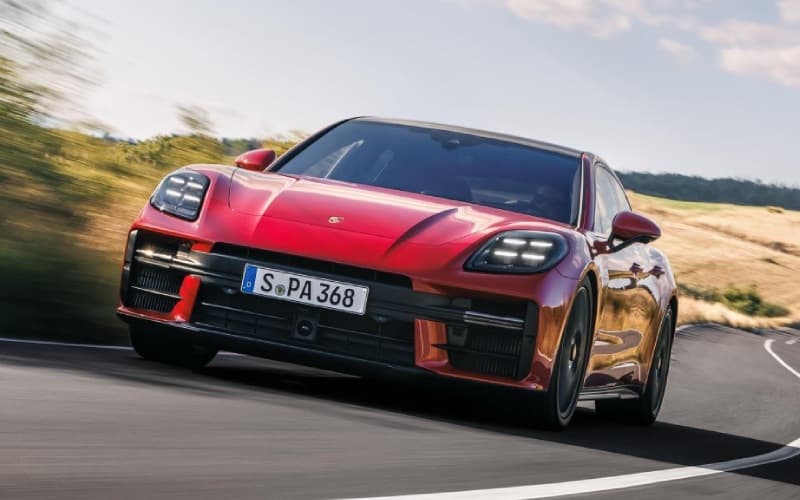
Porsche Bakersfield - Crosswinds, Washboard, and Canyon Curves — Porsche vs. Audi near Kern County, CA
Drivers in Kern County know the unique mix of conditions that can challenge any performance car or luxury SUV. From steady crosswinds over Tehachapi Pass on SR-58 to the washboard surfaces near the oil fields west of town, and those tight Kern River Canyon sweepers on SR-178, real-world control matters as much as straight-line speed. At Porsche Bakersfield, we regularly help shoppers deciding between Porsche and Audi across body styles — from compact luxury SUVs to electric grand tourers and iconic sports cars — and we focus on how chassis tuning, all-wheel-drive logic, and driver interfaces perform on our local roads.
This comparison takes an everyday-driver angle: how Porsche and Audi feel when the wind picks up, the pavement turns rough, and the road starts to twist. Both brands deliver premium engineering and advanced technology. Our perspective — shaped by Kern County test drives and owner feedback — is that Porsche’s holistic tuning delivers more confidence with fewer compromises across these conditions.
Let’s begin with high-wind stability. Out on the open stretches between Bakersfield and Mojave, side gusts can make a tall SUV feel busier than you want. Porsche’s steering calibration and body control stand out here. Across models, Porsche Active Suspension Management (PASM) works with precise steering to keep small inputs from becoming big corrections, while available rear-axle steering on select vehicles subtly counters yaw in sudden gusts. Audi models with adaptive damping and quattro all-wheel drive also track well, yet the steering often feels more isolated from the road. The result is that Porsche drivers typically make fewer mid-lane corrections when crosswinds arrive — a difference that reduces fatigue on longer drives up SR-99 or I-5.
Rough-pavement composure is another Kern County essential. On patched, corrugated surfaces near Taft or along agricultural routes, you want the suspension to settle quickly without sending secondary motions through the cabin. Porsche tunes rebound and compression to quell those aftershocks, especially with PASM or optional adaptive air suspension on SUVs like the Cayenne and Panamera. Audi’s comfort-biased tuning provides a plush initial impact response, yet some models allow a touch more body float after the first hit. Over time, the Porsche approach tends to feel calmer and more controlled, which is exactly what you want before you hit the curves in the Sierra foothills.
Speaking of curves, Kern River Canyon regularly reveals differences in chassis precision. Porsche vehicles prioritize neutral balance and rotational willingness, then layer on stabilizing tech like Porsche Dynamic Chassis Control (PDCC) and Porsche Torque Vectoring Plus (PTV Plus) — systems designed to limit roll and sharpen turn-in without feeling intrusive. Audi’s sport differentials and brake-based torque vectoring notably tighten an apex as well, but Porsche’s pedal feel, steering feedback, and throttle response often come together with a more cohesive rhythm. The payoff is confidence — especially on those decreasing-radius corners where steadiness and predictability matter most.
Crosswind composure: Porsche models deliver direct, reassuring steering and rapid damping control that reduce mid-lane corrections; Audi vehicles are stable, with a slightly more isolated steering feel.
Rough-road calm: Porsche Active Suspension Management helps settle the body quickly over washboard or patchwork pavement; Audi adaptive damping provides comfort but can allow more secondary motion.
Canyon rhythm: Porsche chassis systems such as PDCC and PTV Plus build neutral balance and confident rotation; Audi sport differentials and brake-based vectoring work well but feel more software-led.
Brake confidence: Porsche’s strong, consistent pedal feel and available Porsche Ceramic Composite Brakes support repeated high-load stops on mountain descents; Audi brakes are powerful but may not feel as linear under sustained heat.
Driver interface: Porsche Communication Management centers key drive functions with minimal distraction and an intuitive drive mode selector; Audi MMI and Virtual Cockpit are rich in data but rely more on layered, touch-driven inputs.
EV long-haul confidence: Porsche 800-volt architectures in Taycan and Macan Electric enable high-power DC charging and stable repeat performance; many Audi EVs on local roads use 400-volt setups, while newer Audi PPE-based models add 800-volt capability.
Electric driving is growing quickly around Kern County, so charging and thermal management deserve attention. Porsche’s 800-volt approach in the Taycan and Macan Electric prioritizes swift DC charging and heat control for repeat acceleration — helpful on summer days when you are climbing toward Tehachapi or making a fast pass before the next single-lane section. Many Audi EVs currently seen in our area employ 400-volt architectures with respectable charge rates; Audi’s latest PPE-based models introduce 800-volt capability that narrows the gap on paper. In our experience guiding shoppers, Porsche’s combination of preconditioning strategies, battery placement for a low center of gravity, and consistent power delivery translates into real-world ease on Bakersfield-to-LA or Bakersfield-to-Ridgecrest runs.
Long descents — like coming back down the Grapevine or rolling out of the Piute Mountains — highlight brake feel and cooling. Porsche calibrates brake systems for repeatability and modulation, so you can precisely add or shed speed without startling the chassis. Available Porsche Ceramic Composite Brakes (PCCB) elevate fade resistance even further for drivers who regularly tackle mountain routes. Audi braking hardware is highly capable, yet the pedal response can feel more variable as temperatures build. For daily commuting this difference may be subtle; for frequent canyon drivers, it is confidence you notice.
All-wheel-drive logic also matters when Kern County weather changes. Porsche Traction Management (PTM) constantly predicts and reallocates torque to match surface grip, so brief sandy patches or early-morning frost in Tehachapi are handled with transparency. Audi quattro adds surefooted all-weather traction and, with the right tire, impressive bite off the line. The distinction is in feel — Porsche systems usually fade into the background so the car stays playful yet planted; Audi systems emphasize unshakable stability, sometimes at the expense of that last degree of rotation enthusiasts enjoy.
Inside the cabin, both brands deliver premium materials and modern tech. Porsche takes a driver-first approach with Porsche Communication Management and thoughtfully placed controls that let you change drive modes with minimal distraction. On winding SR-178, that simplicity keeps your eyes up and hands settled. Audi MMI and Virtual Cockpit present striking visuals with deep configurability and multiple screen layers. Tech-focused shoppers may appreciate the wealth of options; drivers who want a quick, tactile change before the next corner tend to favor Porsche’s clean, direct interface.
If you are planning a comparison test drive, we recommend sampling familiar Kern County roads that quickly reveal these differences without requiring extreme speeds. The goal is to feel how each brand settles, steers, and stops when conditions shift — just like they do during your week.
Head east toward SR-58 and choose a breezy midday slot to evaluate crosswind tracking and light steering corrections.
Loop through a stretch of patched pavement west of town to gauge how the suspension settles after the first impact.
Run a short section of SR-178 toward the canyon to sample turn-in, mid-corner balance, and pedal modulation.
Finish with a gentle downhill grade to check brake feel, stability, and driver confidence under continuous load.
Our team at Porsche Bakersfield can help you tailor this route and set comparable vehicles back-to-back so you focus on feel rather than specs. Whether you are considering a compact performance SUV for school runs in Seven Oaks and weekend trips to Lake Isabella, or an electric sport sedan that can comfortably manage Bakersfield-to-Santa Clarita and back, we will align the drive to your lifestyle.
The bottom line for local shoppers: Audi brings excellent technology, comfort, and all-weather confidence. Porsche adds a layer of cohesion — the way steering, damping, brakes, and powertrain all communicate — that reduces effort in crosswinds, smooths out choppy surfaces, and makes canyon roads more intuitive. Over the course of a week in Kern County, that cohesiveness feels like calm control. It is a difference you can sense within a few miles, and appreciate for years.
Visit us at Porsche Bakersfield on Auto Mall Drive to experience this back-to-back. Our advisors will set up a route that reflects your daily drive, explain features like PASM, PDCC, PTV Plus, and Porsche Traction Management in plain terms, and answer charging and service questions specific to life in Bakersfield. When you are ready, we will help you choose the Porsche that feels just right on your roads.
Frequently Asked Questions:
Which Porsche systems make the biggest difference in Kern County crosswinds?
PASM, precise steering calibration, and — where available — rear-axle steering play leading roles. Together they keep the car settled so you make fewer corrections on SR-58 or I-5 when gusts arrive.
How do Porsche EVs compare to Audi EVs for fast charging on SR-99 and I-5?
Porsche Taycan and Macan Electric use 800-volt architectures designed for high-power DC charging and repeatable performance. Many Audi EVs on local roads use 400-volt systems with solid charge speeds, while newer Audi PPE-based models add 800-volt capability. In practice, Porsche’s charging and thermal strategies provide confident Bakersfield-to-LA and Bakersfield-to-Ridgecrest trips with less planning.
Are Porsche brakes better suited for mountain descents than Audi brakes?
Both brands offer strong braking. Porsche emphasizes consistent pedal feel and heat management, and available PCCB adds fade resistance for frequent mountain driving. That consistency helps on long grades like the Grapevine or returning from Tehachapi.
Will Porsche ride quality feel too firm on washboard roads around the county?
Porsche suspensions are tuned to control body motion without harshness. With PASM or available adaptive air suspension on SUVs, most drivers find the ride calm and settled over patchy, corrugated sections, while still enjoying precise handling in the canyon.
Can Porsche Bakersfield set up a local route for a fair comparison?
Yes. Our team will plan a loop that includes open, windy stretches, some rough pavement, a few canyon curves, and a gentle descent. You will feel the differences quickly and focus on what matters to your daily driving.